

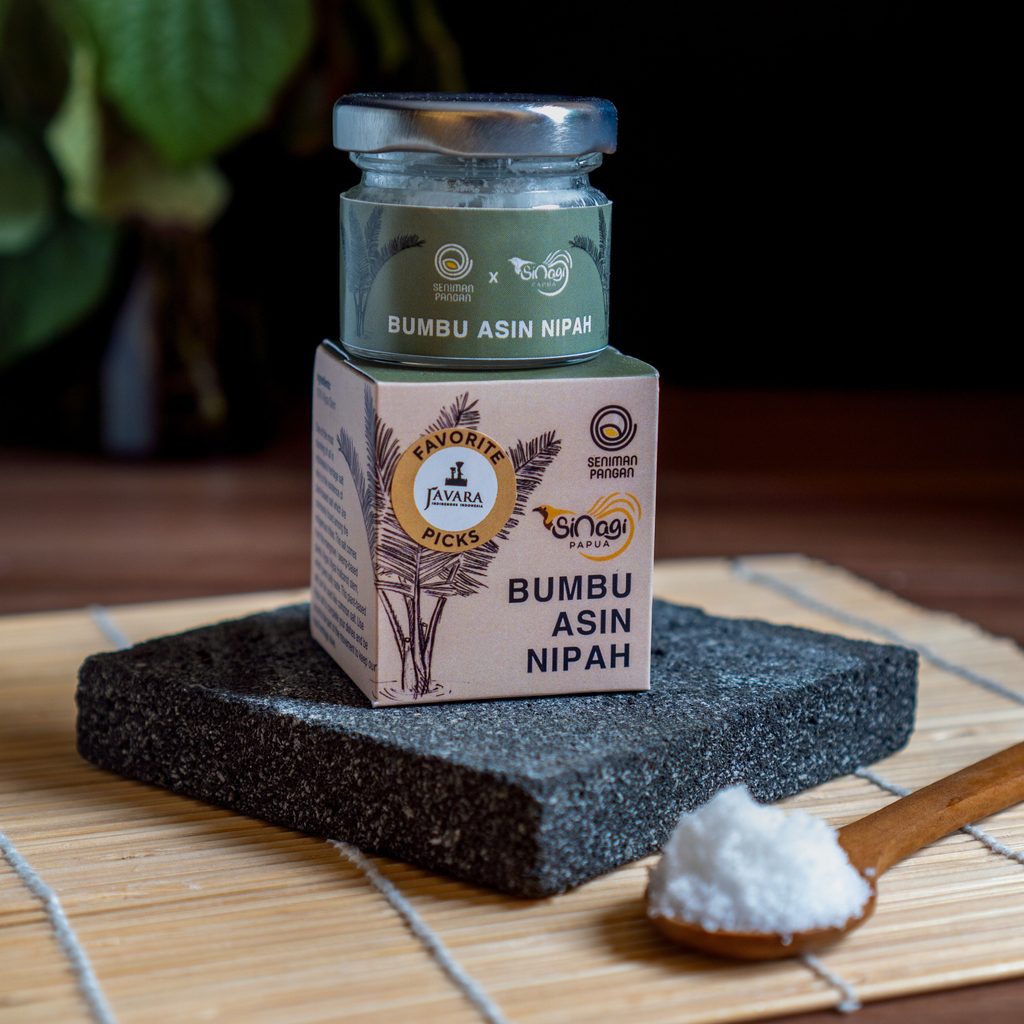
In a groundbreaking development for the culinary and health food industries, Papua has unveiled the world’s first regenerative plant-based. Derived from the branches of the Nypa plant, this innovative salt is not only low in sodium but also boasts a rich umami flavor, making it a unique addition to kitchens worldwide.
The Nypa Plant: A Natural Wonder
The Nypa plant, known for its remarkable self-propagating abilities, serves as the source of this extraordinary salt. The harvesting process for Nypa salt is sustainable and regenerative. By carefully extracting salt from the branches, the plant remains unharmed and continues to thrive. In fact, the more branches are harvested, the more the plant’s sugar nectar production from its flowers increases, demonstrating a unique symbiotic relationship.

Health Benefits and Culinary Excellence
Nypa salt stands out for its low sodium content and free from microplastic, addressing the growing consumer demand for healthier seasoning options. Its natural umami flavor enhances dishes without overwhelming them, providing a balanced and savory taste that complements a wide range of cuisines. This makes it an ideal choice for health-conscious individuals and gourmet chefs alike.
Sustainability at Its Core
One of the most compelling aspects of Nypa salt is its sustainability. The extraction process does not kill or harm the plant, allowing it to continue its natural life cycle and propagate. This regenerative approach not only ensures a continuous supply of salt but also supports the preservation of the Nypa plant’s ecosystem. The Nypa plant’s ability to replicate itself further underscores the environmentally friendly nature of this innovative product.
A New Era for Salt Production
The introduction of plant-based Nypa salt marks a significant milestone in the evolution of salt production. As the world’s first regenerative salt, it sets a new standard for sustainability in the food industry. Consumers can now enjoy a high-quality, health-conscious seasoning option that also contributes to environmental preservation.
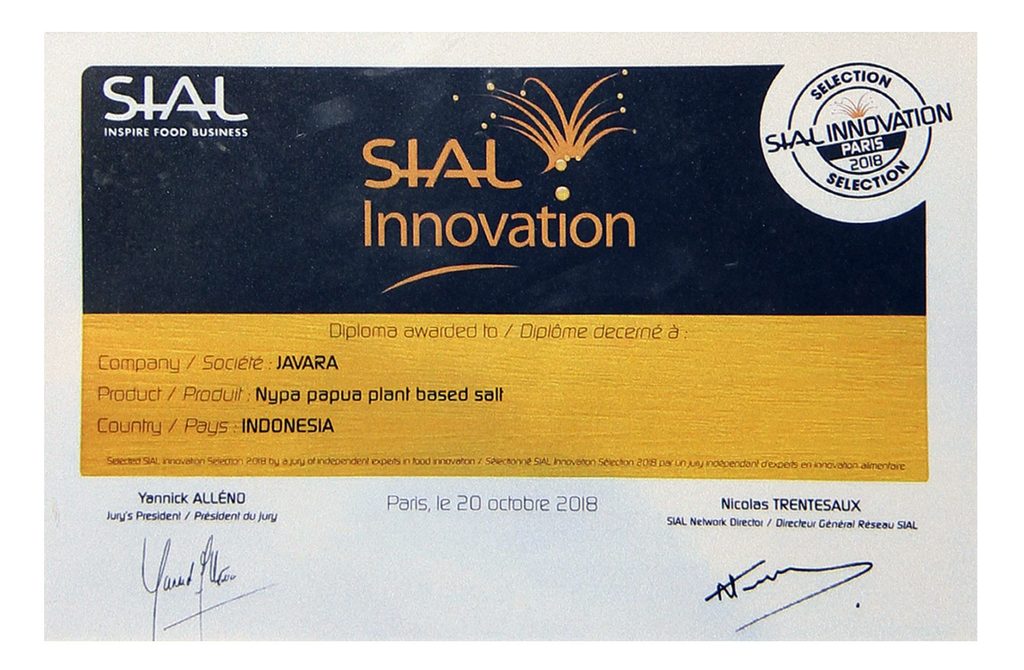
Papua’s Nypasalt is more than just a seasoning; it represents a forward-thinking approach to food production that prioritizes health and sustainability. By choosing Nypa salt, consumers support a product that not only enhances their culinary experiences but also promotes ecological balance. This pioneering plant-based salt is poised to make a lasting impact on the way we think about and consume salt, heralding a new era of regenerative, plant-based food solutions.

From Moi Tribe Papua to Global Market
Yuliance Yunita Bosom Ulim, or Yuyun, a 42-year-old entrepreneur from the Moi tribe in Sorong, Papua, is the visionary behind SINAGI PAPUA . With support from Seniman Pangan and Javara, Yuyun embraced the challenge of commercializing Nipah salt, a traditional product of her people. Since joining Sekolah Seniman Pangan on March 9, 2020, she has transformed her business, offering globally competitive products like Bumbu Asin Nipah, Teh Moi Kamlowele, Kerupuk Sagu, and Keripik Ubi Tiga Warna. Her journey exemplifies how innovation and collaboration can elevate local resources to meet global standards, preserving cultural heritage while promoting sustainability.